How to Plan Driveway Drainage That Lasts
20/11/2026

A driveway can look excellent on the day it is laid and still become a problem within a few winters if the material does not suit the ground, drainage or daily use. To choose driveway materials with confidence, Leicester homeowners need to look beyond colour and initial cost. The right surface should carry your vehicles comfortably, shed or manage rainwater properly, complement the property and remain practical to maintain for years to come.
At Leicester Driveway, we assess the complete area rather than simply recommending the most popular finish. The sub-base, edging, falls, drainage and intended use all influence whether a driveway performs as it should.
A single-car frontage outside a terraced home has very different demands from a wide driveway serving several family cars, vans or commercial vehicles. Vehicle weight, turning movements and parking frequency matter. Repeated wheel movement in the same place can expose weaknesses in poorly prepared foundations, whatever surface has been selected.
Think about how people use the space as well. Do you need a clear route to the front door, room for bins, a turning area or access to a garage? Is the driveway also the main path for children, visitors or anyone with limited mobility? A surface that is attractive but awkward underfoot, slippery when wet or difficult to repair may not be the best long-term choice.
For most residential projects, the visible finish is only one part of the specification. A professionally installed and compacted sub-base gives block paving, tarmac, resin and concrete the support needed to resist sinking, cracking and rutting.
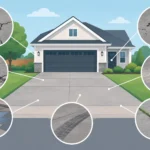
Leicestershire properties can have differing ground conditions even within the same neighbourhood. Clay-heavy ground, uneven levels, existing drainage issues and water running from a slope all need consideration before installation begins. Standing water is not only unattractive. It can soften surrounding ground, encourage moss growth and shorten the life of the surface.
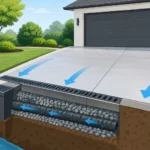
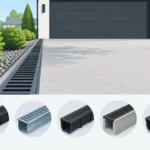
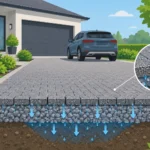
A driveway should be designed with suitable falls so water is directed safely away from the property. Depending on the site, this may involve channel drainage, soakaways or a permeable surface system. The final approach depends on ground conditions, available drainage routes and the size of the paved area.
Permeable block paving uses carefully designed joints and a free-draining construction beneath the blocks, allowing water to pass through the surface. It is a strong option for homeowners who want a traditional paved appearance while helping to manage rainfall on site.
Resin bound surfacing can also provide a smooth, permeable finish when installed over a suitable permeable base. Natural aggregate is mixed with resin before application, producing a consistent surface with no loose stones. This makes it particularly appealing for entrances, paths and driveways where a clean, contemporary look is wanted.
Do not confuse resin bound with resin bonded. Resin bonded surfacing involves scattering aggregate onto a resin-coated base. It can offer excellent texture and visual appeal, but it is generally not the same permeable system as properly installed resin bound paving. The choice should be based on the required finish, grip, drainage design and how the driveway will be used.
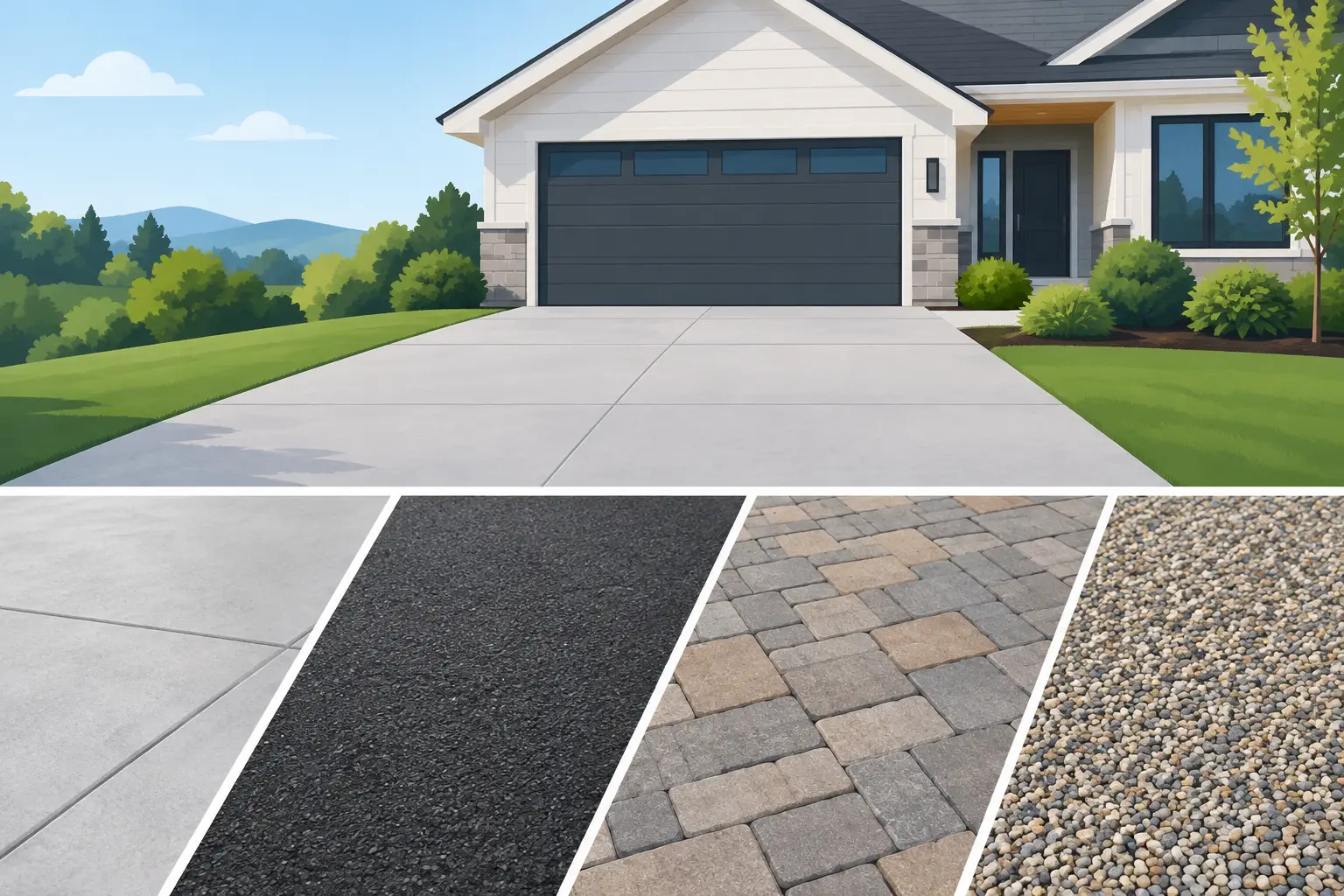
There is no single best driveway material for every Midlands property. Each option has strengths, and the right one is usually the material that balances appearance, maintenance, budget and expected traffic.
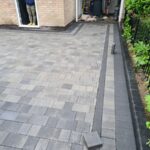
Block paving remains a popular choice because it offers an exceptional range of colours, laying patterns and edge details. It can be designed to suit period homes, modern developments and everything in between. Borders can define parking bays or draw attention to a front entrance, while contrasting blocks can create a bespoke finish without overpowering the property.
It is also a practical repairable surface. If access is needed beneath the driveway or an isolated area becomes damaged, individual blocks can often be lifted and reinstated. The trade-off is that joints need proper installation and occasional maintenance to limit weed growth and movement. Quality edging and a strong foundation are essential.
Tarmac is a dependable choice for driveways requiring a clean, hard-wearing surface without the visual detail of paving blocks. It is especially well suited to larger driveways, shared access routes and commercial areas where durability and efficient coverage are priorities.
A tarmac driveway can be finished with neat block-paved edging to improve kerb appeal and create a more tailored result. It is generally straightforward to maintain, although it can soften in extreme heat and needs a sound base to prevent low spots or cracking. Resurfacing can be an economical option where the existing foundations remain structurally suitable.
Pattern-imprinted concrete recreates the appearance of stone, slate, cobbles or brickwork in a continuous poured surface. It offers a decorative result with no conventional paving joints for weeds to grow through, and it can work well where homeowners want a bold, coordinated frontage.
Concrete needs careful preparation, correct reinforcement where appropriate and professionally formed control joints. It is not the ideal answer for every site, particularly where ground movement is a concern. Should a significant crack occur, a repair is usually more noticeable than replacing individual blocks.
Natural stone and cobble paving bring depth, texture and lasting character to a property. They are particularly effective on period homes, rural-style properties and entranceways where the driveway should feel like part of the architecture rather than a separate parking area.
These materials require skilled setting-out and installation to achieve a level, stable finish. Costs can be higher than standard paving, but the visual impact and longevity can justify the investment when the material suits the property and the area is properly constructed.
Every driveway needs some level of care, but the amount varies. A low-maintenance requirement does not mean a maintenance-free surface. Leaves, soil, tyre marks and algae can affect any driveway, particularly in shaded areas or where water sits after rainfall.
Resin bound driveways are valued for their smooth finish and straightforward cleaning. Block paving benefits from periodic cleaning and attention to joints. Tarmac requires less routine work but should be monitored for developing cracks or edge deterioration. Natural stone and cobbles may weather beautifully, yet their textured surfaces can retain dirt more readily than a smooth resin finish.
Choose colours with everyday life in mind. Very pale surfaces can show tyre marks and mud, while very dark finishes may make dust or pollen more obvious. A balanced blend of tones often remains attractive between cleans and sits naturally alongside brickwork, fencing and planting.
A new driveway should improve the whole front of the property, not merely cover an old surface. Consider whether new walls, steps, drainage channels, fencing, lawn edging or a patio path should be completed at the same time. Coordinating these elements avoids mismatched levels and gives the exterior a more considered finish.
Edging is particularly valuable. It contains the surface, protects vulnerable edges and provides a crisp boundary against planting beds, turf or adjoining paths. On a block-paved or tarmac driveway, it can also introduce a contrasting colour that ties the design to the house.
If you are planning to sell in the future, choose a design with broad appeal. A well-proportioned driveway with sensible drainage, safe access and a quality finish will usually add more value than an overly elaborate design that reduces usable parking space.
The most useful quotation is not simply the lowest figure. It should explain what is being installed beneath the surface, how excavation and waste removal will be handled, where water will go and what edge restraints or drainage features are included. This gives you a meaningful basis for comparing proposals.
Ask to see material samples or completed examples where possible. Colours and textures can look very different in natural light, especially beside existing brickwork. It is also worth confirming how access restrictions, manholes, changes in level and existing services will be addressed before the project is underway.
A driveway is used every day, often without a second thought. Choosing a material that suits the property, ground conditions and your routine is what makes that ease possible. If you are weighing up block paving, resin, tarmac, concrete or natural stone, a professional site assessment can turn a broad idea into a driveway designed to look right and work properly for the long term.