How to Plan Driveway Drainage That Lasts
20/11/2026

A driveway can look tired long before it has reached the end of its useful life. Equally, a surface that appears only slightly worn may be hiding movement, water damage or a failing foundation beneath. Knowing when to replace a driveway surface helps Leicester homeowners avoid repeated patch repairs and invest in work that improves daily use, drainage and kerb appeal for years to come.
The right decision depends on the type of surface, the condition of its base, how it drains and the traffic it carries. A small localised defect may be repairable. Widespread deterioration, standing water or repeated cracking usually points towards resurfacing or full replacement.
Replacement becomes the sensible option when repairs no longer address the cause of the problem. Filling cracks in tarmac, resetting a few blocks or cleaning a stained resin finish can extend a surface’s life, but these measures cannot correct an unstable sub-base, poor falls or drainage that was never designed for the site.
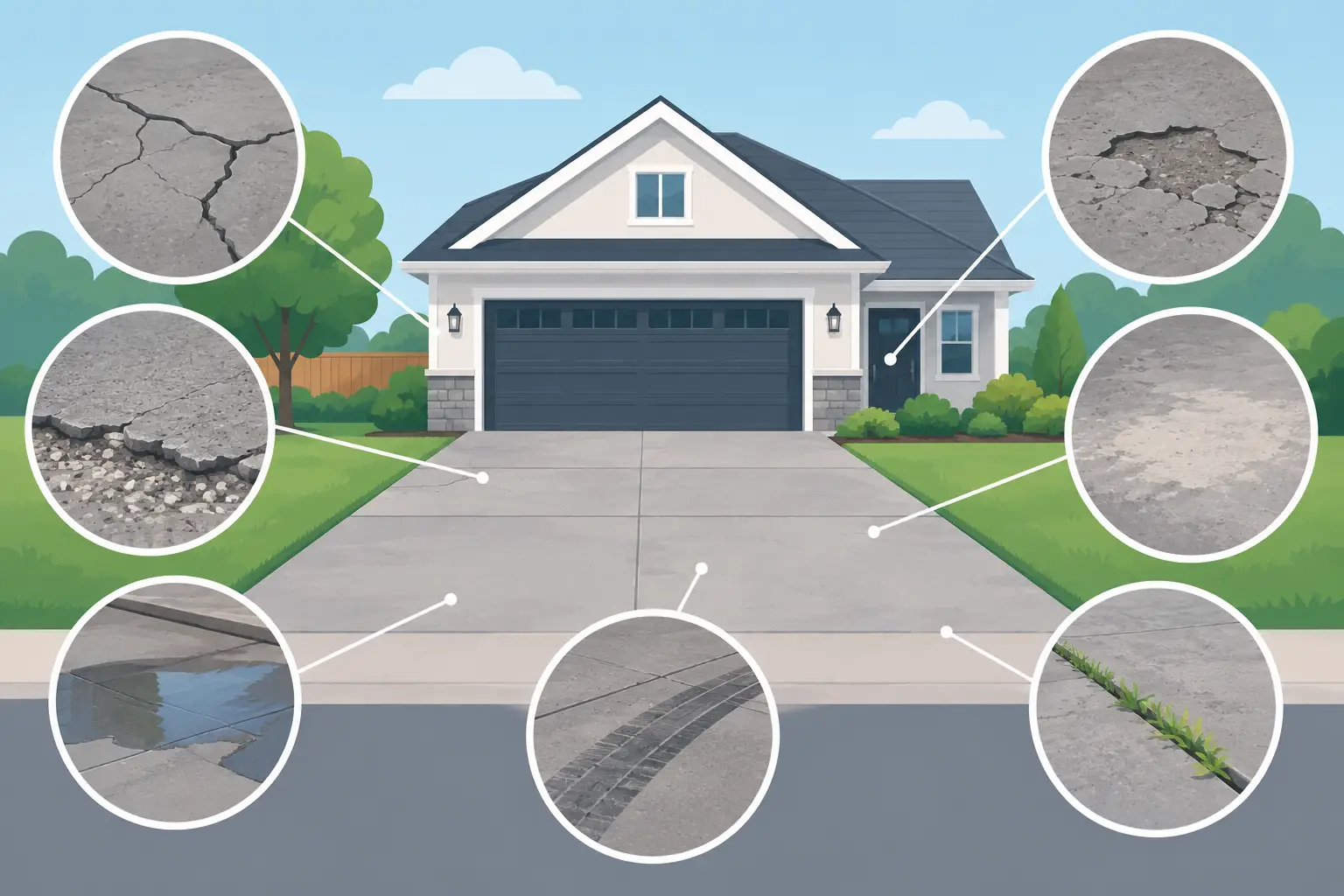
Look closely after heavy rain and during colder weather. Water is often the quickest way to reveal weaknesses in a driveway. It enters open cracks, settles in low areas and can undermine the foundation as temperatures rise and fall. On sloping properties or clay-heavy ground, this can become more noticeable over time.
Fine cracks in tarmac or concrete can sometimes be sealed before they spread. However, long cracks, branching patterns and cracks that reopen after repair often indicate movement below the surface. This may be caused by inadequate depth, poorly compacted aggregate, tree roots, water ingress or vehicles heavier than the driveway was designed to carry.
Concrete that has broken into separate sections is rarely improved by patching alone. Tarmac with frequent cracking may be suitable for resurfacing if its base remains sound, but a professional inspection is needed before laying a new wearing course over an unstable foundation.
A single shallow pothole is not always a replacement job. Once potholes multiply, deepen or develop around the edges and wheel tracks, the surface is likely losing its structural integrity. Loose blocks, broken edging and crumbling tarmac allow more water into the construction, accelerating the damage.
This is particularly relevant at entrances, turning points and parking bays where tyres apply repeated pressure. Replacing the affected surface and strengthening the sub-base can provide a far more durable result than continuing to fill failed areas.
Standing water is more than an inconvenience when getting in and out of the car. It can make the surface slippery, encourage moss and algae, stain paving and shorten the life of the materials beneath. In winter, pooled water can freeze and create a safety issue at the front of the property.
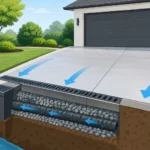
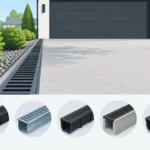
A driveway should be formed with suitable falls so water moves away from buildings and towards an appropriate drainage point. Depending on the layout, the answer may be channel drainage, a soakaway or a permeable surface such as carefully installed block paving or resin bound gravel. If puddles return after every downpour, surface replacement may be the opportunity to correct the levels properly.
Depressions under parked vehicles, visible wheel ruts and areas that feel uneven underfoot are common signs of a weak or failed base. This can happen where the original ground was not excavated to the right depth, aggregate was not compacted in layers or drainage has softened the ground below.
For block paving, sunken sections can occasionally be lifted and relaid if the issue is limited. Where movement affects a large area, a full reconstruction is usually the more reliable choice. The visible finish matters, but the preparation underneath is what gives a driveway its strength.
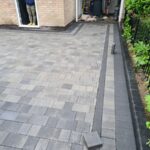
Block paving is valued for its flexibility and repairability, yet it still needs a stable foundation and secure edge restraints. If individual blocks rock, joints wash out or the pattern has become noticeably uneven, the problem may extend beyond the surface layer.
Repeatedly replacing a handful of blocks can become frustrating and expensive. A replacement driveway allows the excavation, bedding layers, edging and drainage to be assessed as one system. It also gives you the option to update the layout, add a contrasting border or create a more generous parking area.
Some staining, weed growth and moss can be dealt with through cleaning and routine maintenance. But an old, pitted or heavily worn driveway often holds dirt and moisture more easily than a sound surface. This can leave paths to front doors and parking areas less safe in wet weather.
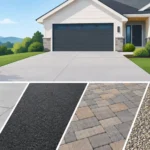
A replacement offers practical choices as well as a visual upgrade. Resin bound surfacing provides a smooth, decorative finish with good drainage when installed on a suitable base. Pattern-imprinted concrete offers a joint-free appearance with the character of stone or paving, while tarmac gives a clean, hard-wearing solution for larger driveways and commercial access areas.
A surface may be structurally sound but no longer fit the way the property is used. A growing household, an electric vehicle, deliveries, a caravan or regular visitors can all put new demands on a driveway. Narrow access, awkward turning spaces and fragile garden edges soon become daily frustrations.
This is often the best time to replace rather than simply repair. The driveway can be redesigned around vehicle movement, pedestrian access and drainage, with walls, steps, paths, fencing or landscaping incorporated into one coordinated project. For commercial premises, loading activity and heavier vehicles should be considered from the outset.
A faded, patched or outdated driveway can make an otherwise well-kept home feel neglected. This is not just about appearance. Buyers and visitors notice whether an entrance feels safe, usable and professionally finished, and a high-quality driveway can strengthen the overall presentation of the property.
Replacement is particularly worthwhile before selling, after an extension or when improving the front garden. Natural stone and cobble paving can suit period homes, while crisp block paving, resin bound finishes and modern patterned concrete can complement contemporary properties. The best material is one that matches the architecture, budget and expected level of use.
Resurfacing is generally appropriate where the foundation is stable, drainage works well and the damage is mainly limited to the top layer. A tarmac driveway, for example, can sometimes receive a new surface course after sound preparation around edges, drains and existing defects. This is often less disruptive than complete excavation.
Full replacement is the better long-term option where there is widespread sinking, major cracking, poor drainage or an unknown and unreliable base. It involves removing the existing construction, preparing the ground, installing a properly compacted sub-base and building the chosen surface to suit the site. It costs more initially, but avoids placing attractive new materials over old problems.
There is no single best driveway material for every Leicester property. Tarmac is practical, durable and well suited to large areas. Block paving offers broad choice in colour, pattern and edging, with the benefit that individual units can be repaired. Resin bound surfaces create a smart, low-maintenance finish and can support effective drainage when correctly specified.
Concrete and pattern-imprinted concrete suit homeowners seeking a strong, distinctive surface with fewer visible joints. Natural stone and cobbles provide character and lasting visual appeal, though they require careful installation to remain stable and safe underfoot. Material selection should always follow an assessment of ground conditions, gradient, drainage and use, rather than appearance alone.
The earlier a driveway is assessed, the more options you are likely to have. Photographs taken after rainfall, notes on where puddles form and a clear idea of how the space needs to work will help a contractor recommend the right level of repair or replacement.
Leicester Driveway can assess worn surfaces and plan a replacement that brings together durable materials, reliable drainage and a finish suited to your property. Request a quote before recurring repairs turn into a bigger disruption, and give your entrance the strong, well-finished foundation it deserves.