Pattern Imprinted Concrete Driveways Leicester
04/11/2026

A resin driveway can transform a tired entrance into a clean, smart and practical parking area, but the finish depends on the system beneath your feet. When comparing a resin bound versus resin bonded driveway, the names sound similar while the construction, drainage performance and long-term feel are very different. Choosing correctly at the outset can mean the difference between a smooth, permeable surface and a textured finish with loose aggregate over time.
For homes and businesses across Leicester and the wider Midlands, the best option will usually come down to the existing base, drainage requirements, vehicle use and the appearance you want to achieve. Both finishes offer far more colour choice than plain tarmac, but they should not be treated as interchangeable products.
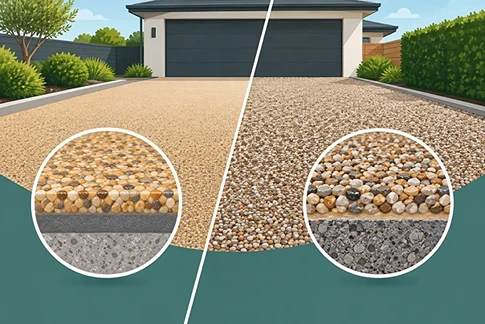
A resin bound driveway is made by thoroughly mixing dried decorative aggregate with a specialist UV-stable resin. The mixed material is then hand-trowelled across a prepared base to create one continuous surface. Each stone is coated in resin, which gives the finished driveway a smooth, even appearance with no loose gravel underfoot.
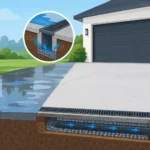
The small gaps between the aggregates allow water to pass through the surface when it is installed over a suitable permeable base. This makes resin bound surfacing a strong choice where surface-water management is a priority. Rather than directing rainwater across the driveway and towards the property, water can drain naturally through the construction below.
The result is comfortable to walk on, suitable for driveways, paths and patios, and particularly appealing for households that want a contemporary, neat finish. It is available in a wide range of aggregate blends, from warm golds and natural browns to silver greys and darker modern tones. Borders, patterns and contrasting sections can also be included as part of a tailored design.
Resin bonded surfacing is formed differently. First, resin is applied to the prepared base. Loose aggregate is then scattered over the resin and pressed into place. Once cured, the exposed stones create a more textured, natural gravel-style finish.
Because the aggregate is bonded to the resin layer rather than mixed through it, some loose stones can be expected, especially during the first few weeks after installation. The surface has a stronger, rougher texture than resin bound paving, which can provide useful grip on sloping driveways, paths and access areas.
A resin bonded driveway is normally laid onto a sound, non-permeable base such as concrete or tarmac. Rainwater does not drain through the finish itself, so effective falls, channels and drainage provisions need to be considered as part of the overall design. This is not a disadvantage when a property already has suitable drainage, but it must not be overlooked.
The clearest difference is how the aggregate sits in the resin. In resin bound surfacing, the aggregate and resin are mixed together, creating a level finish throughout the full depth of the surface. In resin bonded surfacing, aggregate is applied onto a resin-coated base, leaving the texture of the stone exposed.
This affects the look and day-to-day use. Resin bound tends to look sleek, uniform and modern, with a surface that is easy to sweep and more comfortable for pushchairs, bicycles and wheeled bins. Resin bonded offers a more traditional gravel effect and a more pronounced texture, which some homeowners prefer for period properties or rural-style settings.
Drainage is the next major consideration. A properly built resin bound system can be permeable, provided the sub-base and underlying ground conditions support it. Resin bonded finishes are generally impermeable, making planned drainage channels, gullies or suitable runoff routes more important.
Both systems can look excellent when fitted professionally. The right choice is not simply about which is better. It is about which construction is right for the property, the intended use and the condition of the existing ground.
Resin is often described as a low-maintenance driveway option, but it is not a cure for a weak or moving base. The foundation must be assessed before any surface is installed. Cracks, sinking areas, poor edge restraint and water sitting beneath an old driveway can all affect the life of the new finish.
For vehicle areas, the base needs to be stable, correctly compacted and designed for the expected load. A driveway used by one family car has different requirements from a commercial forecourt, shared access road or property where vans regularly turn. The same applies to drainage. Water that is allowed to sit below the surface can undermine the base over time, regardless of the material chosen above it.
In Midlands weather, a well-prepared base is especially valuable. Repeated wet conditions, frost and thaw cycles can expose weaknesses in poorly installed surfacing. Skilled preparation, correct levels and secure edging help protect the finished driveway from movement, cracking and premature wear.
Resin bound surfacing is usually the lower-maintenance option in everyday use. Its closed, even surface is easier to brush, and there are no loose stones to gather from the pavement or bring into the house on footwear. An occasional sweep and gentle clean will help maintain its appearance. Keeping leaves, moss and soil from building up is particularly helpful because blocked surface gaps can reduce permeability.
Resin bonded surfacing is also straightforward to look after, but it requires realistic expectations. A small amount of loose aggregate is normal, and heavier traffic can gradually affect the exposed stone finish. It should be cleaned carefully rather than aggressively pressure washed, as excessive force can dislodge aggregate.
For steep approaches, entrances that become slippery with leaf fall, or areas where extra texture is welcome, resin bonded surfacing may offer the feel you are after. For a smooth, refined driveway with a contemporary finish, resin bound is commonly the preferred route.
It is tempting to compare resin driveway prices by square metre alone, but a reliable quote should account for far more than the top layer. Excavation, waste removal, sub-base depth, drainage, edging, access, repairs to the existing surface and the chosen aggregate blend all influence the cost.
Resin bound systems can cost more because of the specialist mixed material, the need for carefully dried aggregate and the precise hand-trowelled installation process. However, the potential drainage benefits and polished finish can make it a worthwhile investment for many properties.
Resin bonded surfacing may be a practical choice where there is already a suitable sound base and drainage arrangement. It can achieve an attractive stone appearance without building a fully permeable system. The most economical option is not always the best value if it does not suit the site conditions or needs remedial work sooner than expected.
Resin bound is often well suited to homeowners who want a smooth, high-end driveway that complements modern brickwork, rendered properties or carefully landscaped front gardens. It is especially worth considering where puddling has been an issue, where a permeable construction is appropriate, or where the driveway also serves as a path to the front door.
It works well with decorative edging, block-paved borders, steps, walls and planted areas, allowing the driveway to become part of a complete exterior improvement rather than an isolated surface. A thoughtfully selected aggregate blend can lift the whole frontage and improve kerb appeal without looking overly formal.
Resin bonded surfacing can be an excellent fit for customers who prefer the character of loose gravel but want a more fixed finish. Its coarse, textured appearance can suit traditional homes, country-style properties and drives with a natural stone or cobble-paving theme.
It is also useful where the existing base is sound and non-permeable, provided the drainage is properly managed. On sloping sections, the additional texture may be a deciding factor. The key is to accept that it is not the same smooth, porous finish as resin bound and to choose it for its own strengths.
A professional site survey should consider more than the colour of the aggregate. Levels at the house, threshold details, parking arrangements, drainage routes, vehicle loading and existing ground movement all need attention before work begins. These details determine whether a driveway remains attractive and functional through years of use.
Leicester Driveway can help homeowners and commercial clients select a resin system that suits the site, the property style and the expected traffic, while incorporating drainage and complementary hard landscaping where needed. A clear, itemised quotation and a design based on the actual ground conditions will give you confidence before work starts.
The best resin driveway is the one that manages water properly, stands up to daily use and makes arriving home feel that little bit better. Request a quote based on a proper assessment, then choose the finish that works as well beneath the surface as it looks from the road.