How to Plan Driveway Drainage That Lasts
20/11/2026

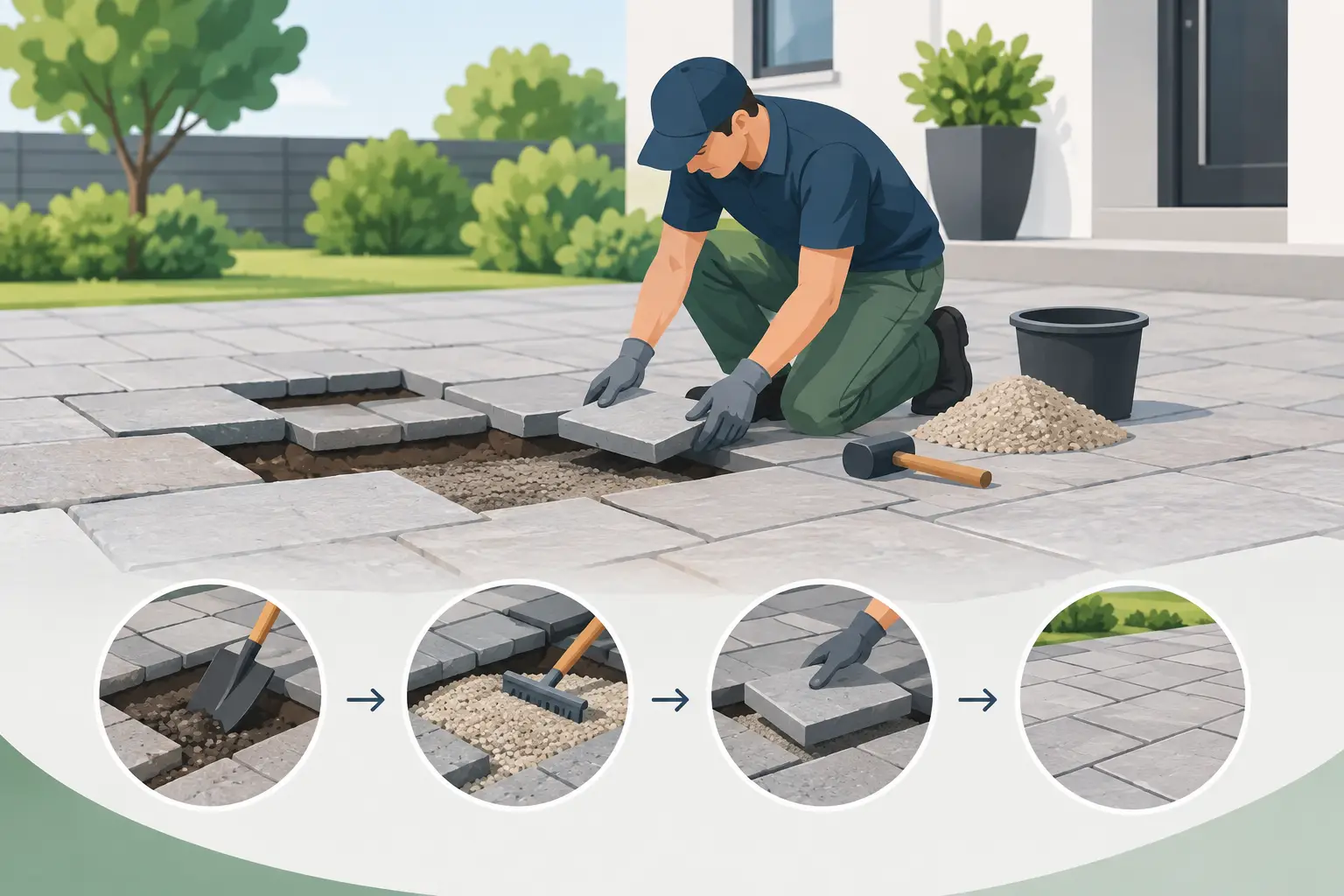
A driveway block that drops below the rest of the surface is rarely just a cosmetic annoyance. It can collect rainwater, create a trip hazard, catch the edge of tyres and allow the problem to spread into the surrounding paving. To repair sunken paving properly, the failed area needs to be lifted, the cause addressed and the foundation rebuilt to the right level. Simply adding sand beneath a low block may make it look better briefly, but it will not provide a lasting repair.
For homeowners and businesses across Leicester and the Midlands, early attention can prevent a small depression becoming a wider driveway or patio repair. The right solution depends on the paving material, the reason it has moved and the loading the surface needs to withstand.
Paving is only as stable as the ground and sub-base underneath it. When the support beneath blocks, slabs or cobbles weakens, the finished surface follows. Heavy vehicle traffic is a common factor on driveways, particularly where a sub-base was too shallow or not compacted sufficiently during installation.
Water is another frequent cause. Poor falls, blocked drainage channels, leaking downpipes or water running from adjoining ground can wash out bedding material and soften the sub-base. Clay soils found in parts of Leicestershire can also move with changing moisture levels. Frost and repeated wet weather can expose a weakness that was not obvious when the paving was first laid.
On patios and paths, settlement may occur where old ground has been filled but not properly consolidated, or where tree roots disturb the base. Damaged edge restraints are also worth investigating. These kerb-like borders hold block paving in place. Once they loosen, the blocks can creep outwards and sink at vulnerable points.
A professional inspection should look beyond the low spot. The visible dip is a symptom. Establishing whether the issue is localised, linked to drainage or caused by wider foundation failure determines whether a targeted repair is appropriate or whether a larger section needs rebuilding.
The method varies between block paving, natural stone, concrete flags and other surface types, but the principles remain the same. The affected paving should be removed carefully, retaining reusable units where they remain sound. Matching existing blocks or slabs can be difficult on older surfaces, so protecting the original materials is often valuable.
For block paving, jointing sand is first brushed away and the blocks are lifted without damaging their edges. A repair should extend beyond the visibly sunken section where necessary, as paving around the depression may already have lost support.
Once the units are out, the bedding layer and sub-base can be checked. Soft, saturated or loose material must be removed rather than compacted over. If there is evidence of water washing through the base, the drainage route needs attention before the paving is reinstated. Otherwise, the new repair will be vulnerable to the same failure.
With patio slabs, the work may include breaking out failed mortar bedding and removing unstable material beneath. Care is needed with natural stone, as individual pieces can crack if they are lifted or re-laid unevenly.
A driveway used by cars, vans or regular deliveries needs a properly engineered and compacted sub-base. Suitable aggregate is installed in controlled layers and compacted with the appropriate machinery. The required depth depends on the condition of the ground, expected traffic and drainage design. A lightly used garden path does not require the same construction as a parking area.
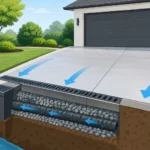
The finished base must follow the required falls so rainwater drains away from the property and does not sit beneath the paving. In some situations, this means introducing or repairing drainage channels, gullies or soakaway arrangements. Surface water should be managed as part of the repair, not treated as an afterthought.
For block paving, a clean, even bedding layer is then screeded to the correct level. It should support each block consistently without being overly thick. Trying to compensate for a poor base with excessive bedding sand invites future settlement.
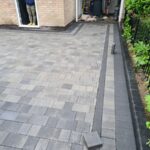
The original blocks or replacement units are relaid to maintain the existing pattern and line. A professional repair checks that the finished level meets neighbouring paving cleanly, without creating a raised lip or a low point where water will stand. Edge restraints should be repaired or renewed if movement at the boundary contributed to the problem.
Once the blocks are in place, kiln-dried jointing sand is brushed into the joints and the surface is compacted. This locks the paving together and helps distribute weight across the repaired area. Additional sand is brushed in after compaction until the joints are properly filled.
Slabs and stone paving require a different finish, often using an appropriate mortar bed and jointing compound. The exact choice should suit the material, joint width and intended drainage performance. A rigid, impermeable joint is not always the best answer for every patio, especially where water management needs careful consideration.
A contained dip caused by a minor bedding failure can often be repaired without lifting an entire driveway or patio. This is usually the most cost-effective option when the surrounding paving is level, stable and in good condition.
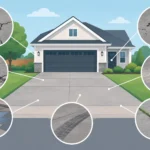
However, a local patch is unlikely to be the right answer where several areas have sunk, cracks are appearing across the surface, water regularly pools or the driveway feels uneven under vehicle weight. These signs can point to widespread sub-base failure, inadequate drainage or movement in the ground below. Rebuilding a larger section may initially cost more, but it avoids repeated patch repairs and produces a safer, more consistent finish.
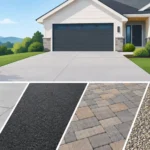
It is also worth considering the age and condition of the existing paving. If blocks are badly worn, stained beyond recovery or mismatched from previous repairs, resurfacing may offer better long-term value and a stronger improvement in kerb appeal. A new block paving, tarmac, resin bound or natural stone surface can be designed with suitable drainage and loading requirements from the outset.
The most common mistake is lifting the paving, adding loose sand and putting it back down. Sand is a bedding course, not a substitute for a stable foundation. Without removing failed material and compacting a sound sub-base, the paving will settle again.
Another issue is ignoring drainage. A repaired driveway may look level on the day it is finished, yet fail again if roof water, surface runoff or poor gradients continue to saturate the base. Drainage channels and falls should always be assessed alongside the paving itself.
Using the wrong replacement materials can also affect the result. Blocks differ in thickness, size, colour and finish, while patio slabs can vary substantially between batches. An experienced contractor can advise whether existing units can be reused, whether close matches are available or whether a wider redesign would give a more attractive outcome.
Finally, do not overlook compaction and edge restraint. Both are essential to the strength of block paving. A repair that looks neat but has not been correctly compacted can move under tyres and open its joints within a short period.
Once the surface has been restored, simple maintenance helps it remain level. Keep drainage channels, gullies and grates clear of leaves and debris, particularly during autumn and after heavy rainfall. Make sure downpipes discharge into suitable drainage rather than across the edge of the paving.
For block paving, top up jointing sand where it has naturally reduced over time and deal with weeds before roots become established in open joints. Avoid directing high-pressure washing too closely into the joints, as it can dislodge sand and weaken the interlock between blocks.
If you notice fresh dips, loose edging, persistent puddles or movement underfoot, arrange an assessment sooner rather than later. Prompt work usually keeps the repair smaller and protects the rest of the installation.
Leicester Driveway provides practical inspections and tailored repairs for sunken driveways, patios and paths, including the drainage and groundwork needed to prevent repeat problems. A well-prepared repair does more than level a few blocks – it restores safe access, improves the appearance of the property and gives the surface the foundation it needs for years of reliable use. Request a quote to establish the most suitable solution for your paving.