How to Plan Driveway Drainage That Lasts
20/11/2026

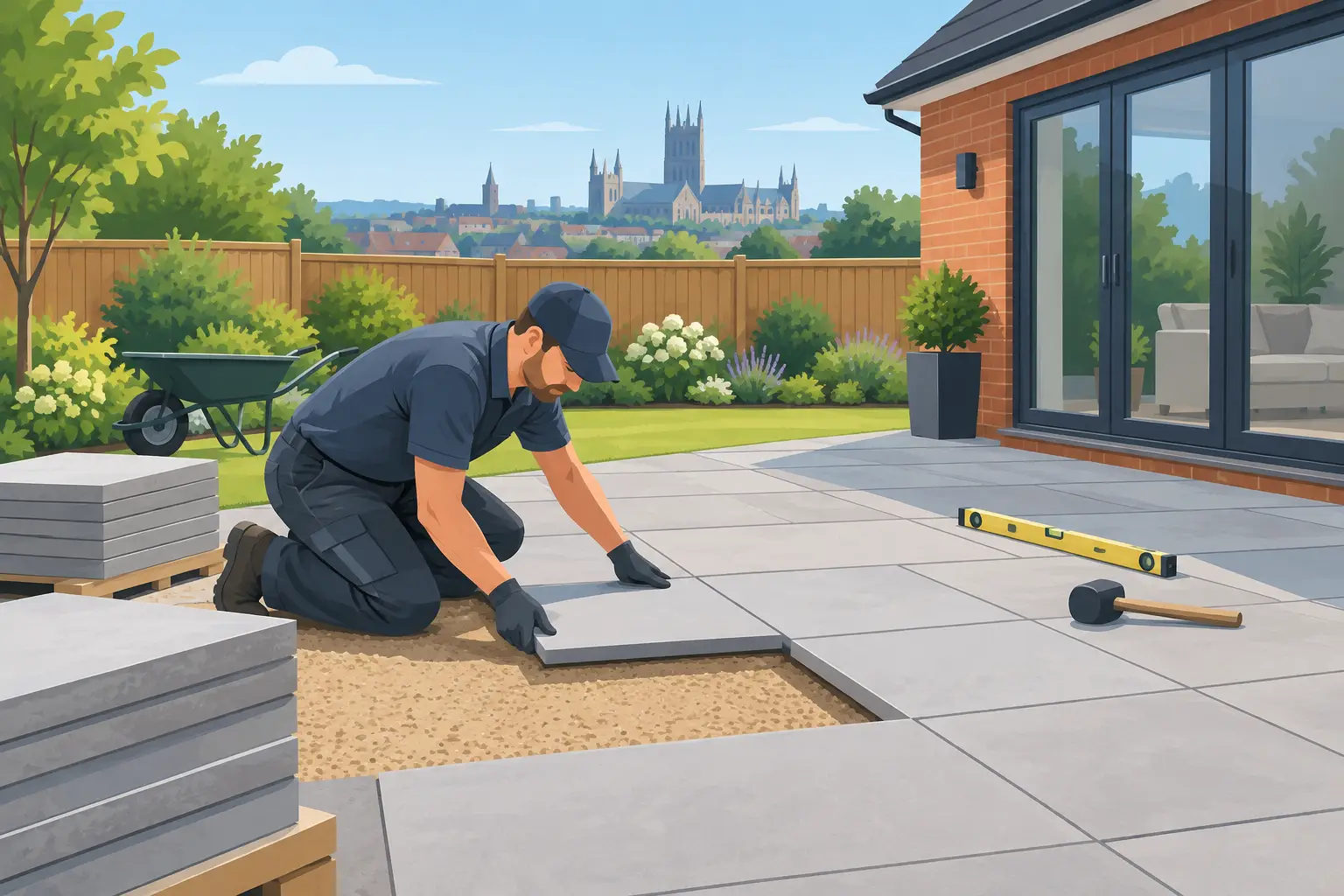
A patio should feel like a natural extension of the home, not a surface that holds water, shifts underfoot or starts looking tired after one hard winter. Choosing experienced patio paving installers Leicester homeowners can depend on makes the difference between a pleasant outdoor area for years to come and an expensive repair job a few seasons later.
A professionally laid patio brings structure to a garden. It creates a level place for outdoor dining, family time and entertaining, while improving access to doors, lawns and garden features. More importantly, it must be built around the ground beneath it, the way water moves across the plot and how the space will actually be used.
Good paving is not simply a matter of setting slabs on a bed of mortar. The visible finish is only as reliable as the preparation beneath it. Before work begins, a competent installer assesses the existing levels, soil condition, drainage routes, access requirements and the condition of any surrounding walls, steps or drainage channels.
The area is then excavated to a suitable depth and formed with a compacted sub-base. This load-bearing layer helps prevent movement and sinking, particularly where ground can become wet or soft during colder months. Edge restraints are installed where required to keep the paving secure, and the finished patio is set to a controlled fall so rainwater is directed away from the property.
That fall is one of the details homeowners do not always see at first, but it has a major effect on performance. Water should not collect against external walls, pool around door thresholds or sit in low points between slabs. Where a standard fall is not enough, additional drainage may be needed, such as channel drains, soakaways or permeable paving solutions.
At Leicester Driveway, patio work is planned as part of the wider exterior rather than as an isolated square of paving. This is particularly useful when a project also includes paths, lawn edging, garden walls, fencing, steps or driveway improvements.
The right contractor should be able to explain how the patio will be constructed, not only show material samples. Ask how deep the excavation will be, what type of sub-base is proposed, how the surface will drain and how the paving will be restrained at the edges. Clear answers usually indicate a properly considered installation rather than a quick surface-level job.
It is also worth discussing the intended use from the outset. A small seating area outside a kitchen door has different requirements from a large patio designed for regular entertaining. If you expect heavy furniture, a barbecue area, planters or frequent foot traffic, the base and layout need to accommodate that use.
Local knowledge matters too. Leicester and the surrounding Midlands area includes a range of ground conditions and property styles, from compact urban gardens to larger rural plots. An experienced local installer can recommend a practical solution for the available space, existing levels and drainage constraints without losing sight of the finish you want.
A useful quotation should set out the key elements of the project, including preparation, materials, drainage provisions, edging, waste removal and finishing work. This makes it easier to compare proposals fairly and reduces the likelihood of unexpected extras once excavation has started.
The cheapest figure is not always the best value. A low price may exclude adequate ground preparation, proper drainage or quality jointing materials. Those savings can be quickly lost if slabs move, joints fail or water begins to cause problems near the house.
There is no single best paving material for every property. The right choice depends on the style of the house, the size and aspect of the garden, maintenance expectations and budget. A good installer will help you weigh appearance against day-to-day practicality.
Sandstone, limestone and slate can create a distinctive, high-quality patio with natural variation in tone and texture. Sandstone works well with traditional homes and established gardens, while limestone often offers a more consistent and contemporary appearance. Slate can provide a striking darker finish, although it may require thoughtful placement in shaded areas where surfaces can stay damp for longer.
Natural stone needs careful selection and installation. Colour variation is part of its character, so samples should be viewed with the understanding that the finished patio will not be perfectly uniform. Quality stone, sound foundations and appropriate jointing are essential for a durable result.
Porcelain is a popular option for homeowners who want crisp lines, consistent colour and low maintenance. It is dense, hard-wearing and available in finishes that resemble stone, concrete and timber. Many porcelain products are well suited to modern extensions, contemporary garden rooms and clean architectural landscaping.
Its precision-cut edges allow narrow, tidy joints, but porcelain also requires accurate cutting and a suitable installation system. It is less forgiving of poor preparation than some natural materials, which is why professional fitting is particularly important.
Concrete paving slabs offer a cost-effective route to a neat, attractive patio and are available in a wide range of sizes and colours. They can work well for practical family gardens, rental properties and larger areas where budget needs to be carefully managed.
Block paving gives greater flexibility for paths, curved edges and decorative borders. It can be used to tie a patio into an existing driveway or create a coordinated approach from the front of the property to the garden. The pattern, border colour and edging can all be tailored to complement brickwork and garden walls.
The most successful patios are designed around movement as well as appearance. Consider how people will step out of the house, where furniture will sit and whether there is a clear route to the lawn, shed, gate or parking area. A patio that looks generous on a drawing can feel cramped once a table, chairs and planters are in place.
Level changes also deserve attention. Steps should be wide enough to feel secure and proportioned to the paving layout. Where possible, aligning joints, borders and step edges creates a more deliberate finish. Retaining walls or raised beds can help manage sloping gardens while adding useful seating and planting structure.
For households with children, older relatives or regular visitors, slip resistance and drainage should take priority over a highly polished look. Textured paving, well-defined edges and stable thresholds make the garden safer to use throughout the year.
Lighting, drainage and services should be considered before the patio is laid. It is far easier to allow for cable routes, outdoor sockets, lighting bases or drainage channels during construction than to lift finished paving later. This is where a joined-up landscaping approach saves time and avoids unnecessary disruption.
A professionally installed patio should not demand constant attention, but simple care protects its appearance. Sweep away leaves and soil regularly, particularly through autumn and winter, as organic debris can encourage staining and algae. Rinse the surface when needed and use an appropriate cleaner for the material rather than aggressive products that may damage the paving or joints.
Pressure washing should be carried out carefully. Excessive pressure can disturb jointing material, particularly on block paving, and can alter the face of some stone products. If weeds appear in joints, deal with them early and investigate whether there is an underlying drainage or jointing issue rather than repeatedly treating the surface alone.
Over time, even a well-built patio may benefit from repointing, cleaning or minor repairs. Prompt attention to a loose slab, cracked joint or blocked channel can prevent a small issue from spreading into a larger repair.
A patio is an investment in how your home feels and functions, not just how the garden looks from the window. The best results come from matching a durable material and attractive layout with the groundwork, levels and drainage needed to support it.
If you are planning a new seating area, replacing uneven slabs or reshaping a tired garden, request a detailed quote from experienced patio paving installers in Leicester. A well-considered patio gives you a reliable outdoor space to enjoy whenever the weather allows, while bringing lasting order and appeal to the whole property.