How to Plan Driveway Drainage That Lasts
20/11/2026

A driveway has to cope with far more than the occasional parked car. It takes daily tyres, wet boots, bins, deliveries, frost, rain and the visual pressure of being the first part of your home that visitors see. For driveways Leicester homeowners can rely on year after year, the surface itself matters, but the preparation beneath it matters just as much.
A well-planned driveway should suit the property, provide practical parking, direct water responsibly and retain its finish through changing Midlands weather. Choosing the cheapest visible option without considering foundations, edging or drainage can lead to movement, puddling and costly repairs later. The right approach is to select a material that works for your home and have it installed on a properly prepared base.
The finished surface is only one part of a successful installation. Before paving, resin, tarmac or concrete is laid, the existing ground needs to be excavated to the correct depth and a stable sub-base installed. This compacted foundation spreads the weight of vehicles and reduces the risk of sinking, rutting and uneven areas.
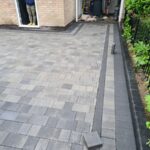
Edging is another detail that should never be treated as an afterthought. Kerbs, block borders or stone restraints hold the driveway in place, particularly where cars turn or reverse repeatedly. They also create a clean line between the driveway, lawn, path or flower beds.
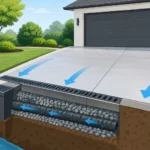
Drainage is equally important. Standing water is inconvenient, but it can also weaken joints, encourage surface deterioration and create slippery patches in winter. Depending on the site, a driveway may need falls formed into the base, channel drainage, soakaways or a permeable surface. The best choice depends on the ground conditions, the size of the area and where water can safely drain.
Every property has different priorities. A compact town driveway may need maximum parking space and a neat finish that complements brickwork. A larger rural or suburban property may benefit from a more decorative entrance, stronger boundary features and a surface that handles heavier vehicles. Leicester Driveway assesses the available space, access, drainage requirements and the character of the property before recommending a suitable solution.
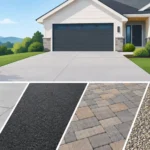
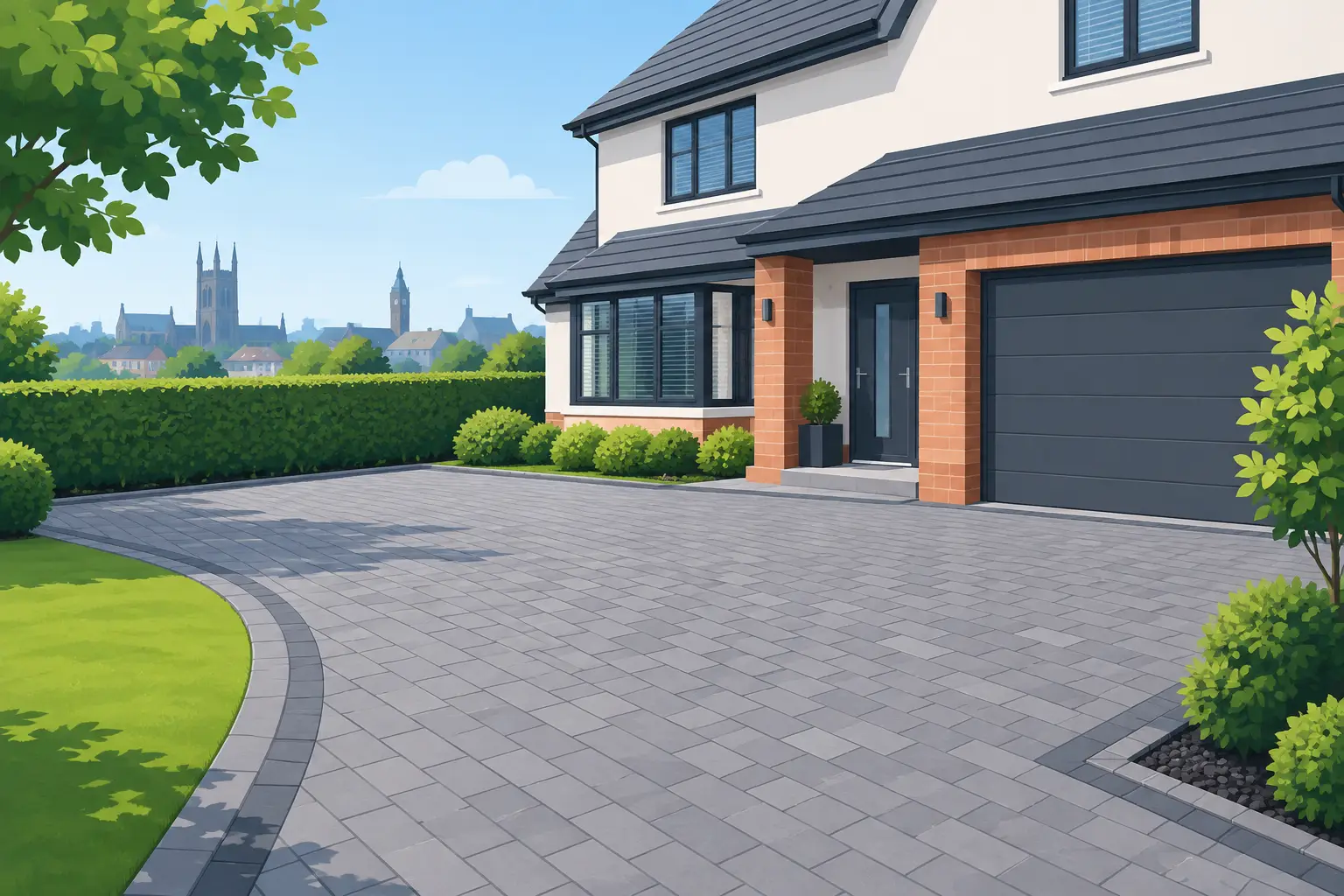
Block paving remains a popular choice because it offers a broad range of colours, laying patterns and border details. It can be designed to suit traditional homes, modern estates and everything between. Charcoal, brindle, grey and natural tones can be combined to create a driveway that ties in with the roof, brickwork or garden walls.
It is also a practical option for future repairs. If a small area is damaged or access is needed beneath the driveway, individual blocks can often be lifted and reinstated. The trade-off is that block paving requires careful installation and occasional maintenance. A poor sub-base or weak edge restraint can allow blocks to move, while joints may need replenishing over time to keep the surface stable and discourage weed growth.
Resin bound driveways combine natural aggregate with clear resin to create a smooth, attractive surface. The finish is available in many aggregate blends, from warm golden tones to contemporary greys, and can work especially well on properties where a neat, low-maintenance appearance is the priority.
A properly installed resin bound system is permeable, allowing water to pass through the surface and into a suitable base below. That makes it a strong option where surface-water management is a key concern. However, resin needs a sound, stable foundation and dry conditions during installation. It is not simply a coating to apply over a failing driveway. Preparation and material quality determine whether the finish remains secure and attractive.
Resin bonded surfacing has a different texture and construction, with aggregate scattered onto a resin layer. It can provide a more textured look, but it is not normally permeable in the same way as resin bound. Understanding that difference helps homeowners choose a system based on performance as well as appearance.
Tarmac is valued for its clean appearance, resilience and suitability for larger driveways, shared access areas and commercial spaces. It provides a smart, even surface that is straightforward to use and can be finished with block paving or stone edging to add definition and kerb appeal.
For an existing surface that is structurally sound, tarmac resurfacing can be a cost-effective way to improve appearance and ride quality. Where the old driveway has significant cracking, sinking or drainage problems, resurfacing alone may only hide the issue temporarily. In those cases, removing failed areas and rebuilding the base is the more durable investment.
Pattern-imprinted concrete gives the appearance of stone, slate, brick or cobbles in a continuous surface. It can be an effective choice for homeowners who want a decorative finish with fewer joints than block paving. It must be correctly laid, coloured and sealed, and it may need resealing in the future to protect its appearance.
Cobbles and natural stone bring distinct character to period properties and high-end entrances. Their natural variation is part of their appeal, and they can be used across a full driveway or as a feature border alongside a more economical central surface. They usually involve a higher initial cost and a more detailed installation process, but the finished result can significantly strengthen the presentation of the property.
A driveway should not send water towards the house, neighbouring land or public areas. This sounds obvious, yet drainage is often overlooked when an old surface is replaced quickly. The fall of the driveway, the height of the damp-proof course, existing drains and the permeability of the ground all need to be considered before work begins.
Permeable block paving and resin bound systems can help manage rainfall at source when installed over the correct permeable layers. Traditional impermeable surfaces can still perform very well, provided suitable channels and drainage outlets are included. There is no single best material for every site. A sloping driveway, heavy clay ground and a level garden plot each present different requirements.
Good drainage also protects the look of the surface. Water that sits in low spots leaves dirt behind, encourages moss and can expose weaknesses when temperatures drop. Designing water management into the driveway from the outset is far more effective than trying to correct puddles after installation.
The strongest driveway projects consider the whole frontage rather than treating parking as an isolated patch of surfacing. A matching path to the front door, a new patio route, low brick walling, fencing or shaped planting beds can give the entrance a more considered finish. These details are especially useful where a driveway extension has reduced the amount of visible garden.
Practical features can be integrated without compromising appearance. A defined pedestrian route improves safety when vehicles are present. Decorative brickwork can frame planting areas, while retaining edges may be needed where levels change. Lighting, gates and fencing should also be planned around access and turning space rather than added at the last minute.
For commercial premises, the focus may be different. Vehicle movements, loading access, pedestrian safety and long-term surface durability often take priority, although a tidy entrance still contributes to how customers view the business. Tarmac, heavy-duty paving and clear boundary construction can be combined to create a professional, usable exterior.
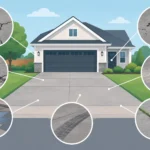
Small cracks do not always mean a driveway needs complete replacement. Localised block paving movement, minor edge damage and isolated tarmac defects can often be repaired if the underlying construction remains stable. Acting early can prevent a small issue from becoming a larger one.
Widespread cracking, repeated puddling, loose blocks, deep ruts or areas that sink under vehicle weight are more serious signs. These usually indicate a failure in the base or drainage rather than a surface-only problem. A professional inspection should identify the cause before any repair is specified, otherwise the same fault may return beneath a fresh finish.
A new driveway can improve parking, make access safer in wet weather and give a tired frontage a clear visual lift. Its real value comes from the work that cannot always be seen: correct excavation, a compacted sub-base, reliable edging and drainage designed for the site.
If your existing surface is worn, awkward to use or no longer suits the property, request a quote based on a proper assessment rather than a quick estimate from photographs alone. A carefully planned driveway will make everyday arrivals easier and give your home a finish that still looks right long after the installation is complete.