How to Plan Driveway Drainage That Lasts
20/11/2026

A driveway has to deal with more than parked cars. In Leicester, it must withstand wet winters, repeated freeze and thaw cycles, everyday foot traffic and the weight of delivery vehicles without losing its shape or appearance. That is why block paving driveways Leicester homeowners choose are built around proper groundwork, effective drainage and a design that suits the property, rather than simply laying attractive blocks over an existing surface.
Block paving remains one of the most versatile choices for homes, rental properties and commercial entrances. It can create a clean, welcoming approach to a Victorian terrace, complement a modern detached home or bring order to a large shared parking area. With the right materials and professional installation, it provides a practical surface that is easy to use every day and makes a strong first impression.
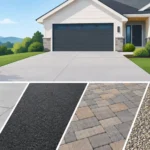
The main appeal of block paving is choice. Individual concrete or clay blocks are available in a wide range of colours, sizes and finishes, from traditional brindle and charcoal to contemporary greys and warm natural tones. This makes it possible to match existing brickwork, window frames, garden walls or patio paving rather than treating the driveway as a separate feature.
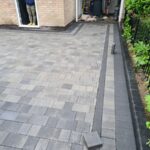
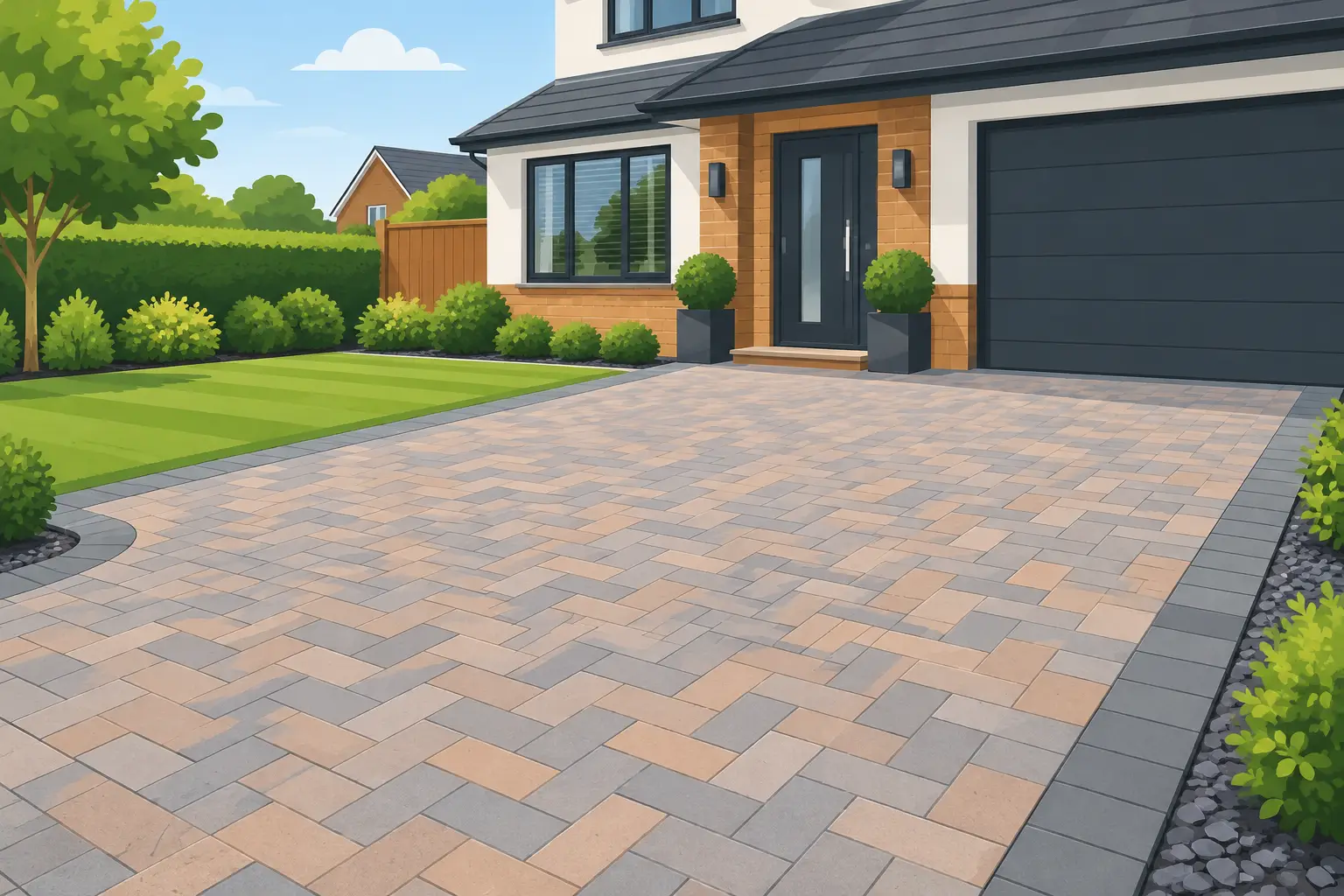
Patterns make a difference too. Herringbone layouts are a popular option for driveways because the interlocking arrangement handles vehicle movement particularly well. Stretcher bond and basketweave patterns can offer a more traditional appearance, while contrasting borders define parking bays, pathways and entrance points. A well-planned edge is not only decorative – it helps contain the paved area and gives the finished driveway a crisp, durable line.
Block paving is also practical when local repairs are needed. If a section is damaged by an impact, staining or future utility work, individual blocks can usually be lifted and replaced without resurfacing the whole driveway. That is a meaningful advantage over some continuous surfacing systems, although it depends on retaining spare blocks from the original installation where possible.
A driveway can look excellent on completion and still fail early if the preparation below it has been rushed. The visible blocks are only the final layer of a construction system designed to spread weight, manage water and resist movement.
The process begins with excavation to a suitable depth. The exact depth depends on the existing ground, intended use and whether the area will carry family cars, vans or heavier commercial traffic. Soft ground, made-up land and areas with poor previous surfacing may need additional attention before a stable base can be formed.
A compacted sub-base is then installed to provide strength across the whole area. This is followed by carefully levelled bedding material, which supports the blocks and helps achieve a consistent finish. Each stage must be compacted properly. Skipping this work can lead to sinking, rocking blocks, wheel ruts and low spots where rainwater collects.
Good edge restraints are equally important. These are installed securely around the perimeter before the main paving is laid, preventing the blocks from spreading under regular vehicle use. Once the blocks are cut, laid and compacted, kiln-dried jointing sand is worked into the joints to lock the surface together.
Water is often the deciding factor between a driveway that remains sound and one that develops problems. Standing water can affect appearance, create slippery patches and place unnecessary stress on the construction below. It can also run towards the property if falls and drainage routes have not been considered properly.
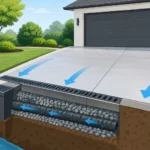
Every block paved driveway should be set to suitable levels so surface water moves away from the building. Depending on the site, this may involve channel drainage, drainage gullies, a soakaway or a permeable paving system that allows water to filter through the joints and into a specially prepared sub-base.
The best option depends on the ground conditions, the size of the paved area and the available drainage route. A sloping driveway may need channels at the bottom or near the garage, while a level front garden may be well suited to permeable block paving. The important point is that drainage is planned before work begins, not added as an afterthought once puddles appear.
A driveway should make parking easier while improving the front of the property. Before selecting a style, it is worth considering how the space will actually be used. A home with two cars may need a wider turning area; a narrow plot may benefit from a clearly marked pedestrian route; and a property on a busy road may need an entrance layout that makes pulling in and out more straightforward.
Colour selection should be practical as well as decorative. Pale blocks can brighten a shaded frontage but may show tyre marks and dirt more readily. Very dark blocks create a smart, modern contrast but can make a compact entrance feel smaller. Mid-tones, multi-coloured blends and contrasting borders often provide a balanced result, helping everyday marks blend in while still giving the driveway definition.
Finishing details bring the whole scheme together. A matching path to the front door improves safe access in wet weather. Raised or flush kerbs can define planting areas. Brickwork, fencing, lawn laying and patio paving can be coordinated so the driveway looks like part of a complete exterior improvement, not an isolated surface.
Block paving is not automatically the right choice for every property. Resin bound surfacing offers a smooth, modern finish and can be permeable, making it attractive for contemporary homes. Tarmac is a cost-effective and hard-wearing choice for larger areas or practical commercial access. Pattern-imprinted concrete provides the appearance of stone or paving with a continuous surface, while natural stone can deliver a premium, characterful finish.
Where block paving stands out is its combination of design flexibility, repairability and traditional kerb appeal. It suits homeowners who want detailed patterns, borders and a surface that can tie into paths or patios. However, it has more joints than resin or tarmac, so periodic maintenance is part of owning it. Joints may need topping up with kiln-dried sand, weeds should be dealt with promptly, and the surface benefits from regular sweeping and occasional cleaning.
Sealing is optional rather than essential. A suitable sealer can deepen colour and make cleaning easier, but it should only be applied to a clean, dry, fully settled surface using an appropriate product. Poorly applied sealant can leave an uneven sheen or reduce the natural texture of the paving.
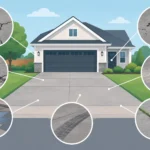
Most block paving issues can be traced back to installation quality or poor water management. Sinking near wheel tracks often points to an inadequate sub-base or insufficient compaction. Loose edges can occur when restraints have not been installed correctly. Persistent moss and weeds are more common in damp, shaded areas, particularly where debris has been allowed to sit in joints.
A professional inspection can establish whether the issue is localised or whether the driveway needs more extensive remedial work. In some cases, affected blocks can be lifted, the base repaired and the original paving reinstated. Where large areas have moved or drainage is fundamentally wrong, a more comprehensive rebuild may be the better long-term investment.
A successful driveway begins with a clear survey of the site: levels, access, ground condition, drainage needs and the way the space will be used all matter. Leicester Driveway designs and installs block paving schemes around those practical details, combining durable construction with a finish that improves the appearance and usability of the property.
Whether the aim is to replace a tired concrete drive, create additional parking or coordinate a new driveway with walls, fencing and landscaping, the right design will make the front of the property work harder. Request a quote for a site-specific recommendation and choose a block paved driveway built for the way you live, park and maintain your home.