How to Plan Driveway Drainage That Lasts
20/11/2026

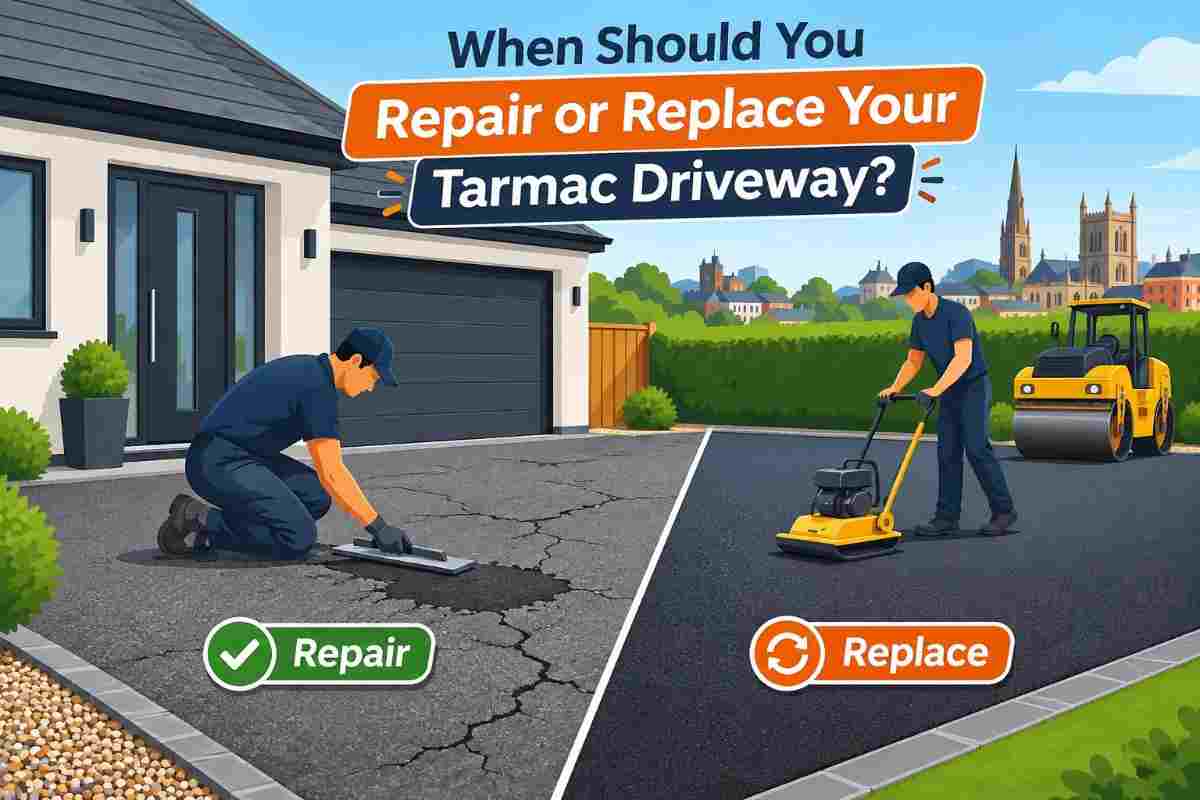
Your tarmac driveway works hard every single day.
Cars roll over it. Rain beats down on it. In winter, frost pushes up through the ground. Over time, all of that wear starts to show.
The question most homeowners face is, “Do I just repair the damage, or is it time to replace the whole thing?”
It is a fair question, and the answer depends on a few key factors. This guide shows you what to look for so you can make a smart decision without overspending.
Before you decide anything, it helps to know what you are working with.
A well-installed tarmac driveway typically lasts between 15 and 25 years. That lifespan depends on the quality of the original installation, how well the surface has been maintained, and how much traffic it handles.
If your driveway is under 10 years old and showing signs of damage, repair is usually the best option. If it is pushing 20 years and showing multiple issues, replacement starts to make more sense.
Age alone does not decide it, though. The type and extent of the damage matters just as much.
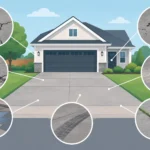
Not every crack or blemish means you need to start from scratch. Some issues are surface-level and easy to fix.
Small Cracks
Hairline cracks or narrow surface cracks are normal in older tarmac. When caught early, you can seal them before water gets in and makes them worse. A quick repair job handles this well.
Minor Potholes
A single pothole, or even two or three small ones in isolation, is repairable. A tarmac contractor can fill and patch these areas without disturbing the rest of the surface.
Fading or Surface Discolouration
If the tarmac looks tired and grey but feels solid underfoot, resurfacing is a great option. You get a fresh-looking driveway without the cost or disruption of a full replacement.
Edge Crumbling
The edges of a driveway take a lot of stress. If only the edges are crumbling but the main surface is sound, targeted repairs will sort it out.
Some problems go deeper than a patch can fix. Here is what to watch for.
If cracks, potholes, or soft spots cover a large portion of your driveway, individual repairs can become expensive without addressing the underlying issue. At that point, a full replacement is often more cost-effective.
Alligator Cracking
This is when the surface breaks up into a pattern of connected cracks that look like reptile skin. It usually means the base layer has weakened or shifted. Patching the surface will not fix what is happening underneath.
Sinking or Uneven Areas
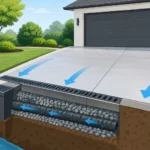
If parts of your driveway are noticeably lower than others, or if water pools in certain spots after rain, the sub-base has likely failed. This is a structural issue. Resurfacing over it will not hold.
Persistent Potholes After Repairs
If you keep fixing the same potholes and they keep coming back, the base beneath is not stable. Repeated repairs become a cycle that never fully resolves.
Widespread Crumbling
When tarmac starts to break apart across multiple areas, not just at the edges, the material has reached the end of its useful life. Repairs at this stage are temporary at best.
A lot of homeowners put off this decision because neither option feels cheap.
But here is the thing: delaying usually makes both options more expensive.
Small cracks let water in. Water freezes in winter and expands, turning small cracks into big ones. A minor repair job that costs a few hundred pounds can turn into a full replacement job if you wait too long.
Acting early is almost always the more affordable choice.
There is a middle option that many homeowners overlook: tarmac resurfacing.
Resurfacing involves laying a fresh layer of tarmac over the existing surface. It refreshes the look, seals minor cracks, and extends the driveway’s life by several years, all without the cost of digging out and rebuilding from scratch.
It works well when the base is still solid but the surface has aged. A qualified tarmac contractor in Leicester, UK, will assess the condition of your base layer before recommending this route.
If the base is sound, resurfacing is an excellent value. If the base has problems, resurfacing over them will not resolve the issue. That is why getting a proper assessment matters.
This is where professional advice makes a real difference.
A good tarmac contractor in Leicester, UK, will inspect both the surface and the sub-base before making any recommendation. We will tell you honestly whether a repair, a resurface, or a full replacement is the right move.
Leicester Driveway has over 30 years of experience working on tarmac driveways across Leicester and the surrounding areas.
We use quality materials, handle all groundwork and drainage, and give you a realistic timeline and quote before any work begins.
If you are unsure what your driveway needs, getting a professional assessment is the most cost-effective first step you can take.
Use this as a rough guide when looking at your driveway:
Lean toward repair if:
Lean toward replacement if:
When in doubt, ask a professional before spending money on either option.
Your tarmac driveway is an investment in your home. Taking care of it at the right time, with the right approach, saves you money and keeps your property looking good.
If the damage is minor and the base is solid, a repair or resurfacing is the smart move. If the driveway is old and showing serious structural problems, replacement is the better long-term investment.
You can reach Leicester Driveway at 07454139882 or visit leicesterdriveway.co.uk to learn more.
1: How often should I seal my tarmac driveway to keep it in good condition?
Most tarmac driveways benefit from resealing every three to five years. Sealing protects the surface from water ingress, UV damage, and general wear. It is one of the simplest and most affordable ways to extend the lifespan of your driveway. A contractor can advise on the right product and timing based on the age and condition of your specific surface.
2: Does the weather in the UK affect how quickly a tarmac driveway deteriorates?
Yes, UK weather plays a significant role. Freeze and thaw cycles in winter are particularly damaging. Water gets into small cracks, freezes, expands, and widens those cracks over time. Heavy rain can also weaken the sub-base if drainage is poor. Regular maintenance, good drainage, and block paving borders all help the surface hold up against British weather conditions.
3: Can I get planning permission issues if I replace my tarmac driveway?
In many cases, you do not need planning permission for a like-for-like driveway replacement, especially if the surface allows for adequate drainage. However, rules can vary depending on your property and local council requirements. It is always worth checking with your local planning office before starting work. A reputable driveway company can often help guide you through this process as well.